
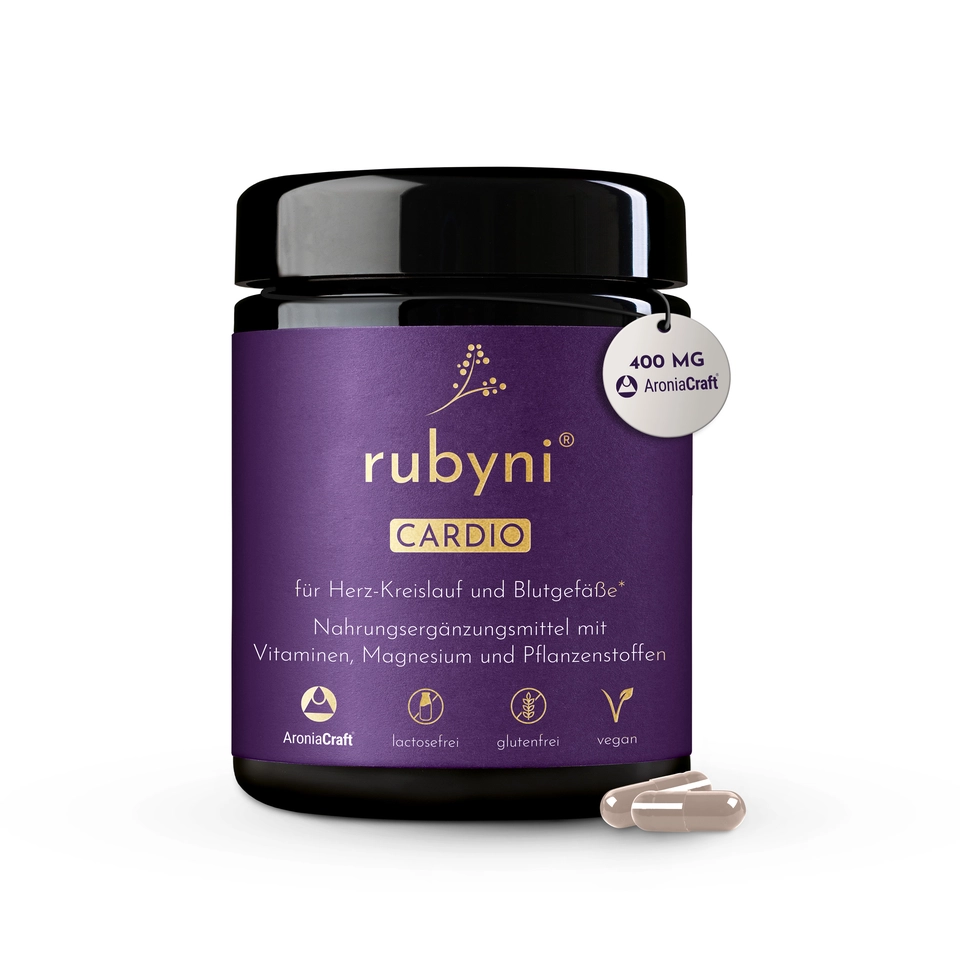
rubyni® Cardio
Dietary supplement for cardiovascular health and blood vessels
Dietary supplement containing high-quality extracts from aronia berries, grape seeds, and olives, as well as mango powder, natural vitamins, pantothenic acid, folic acid, and magnesium; 100% vegan, gluten-free, and lactose-free
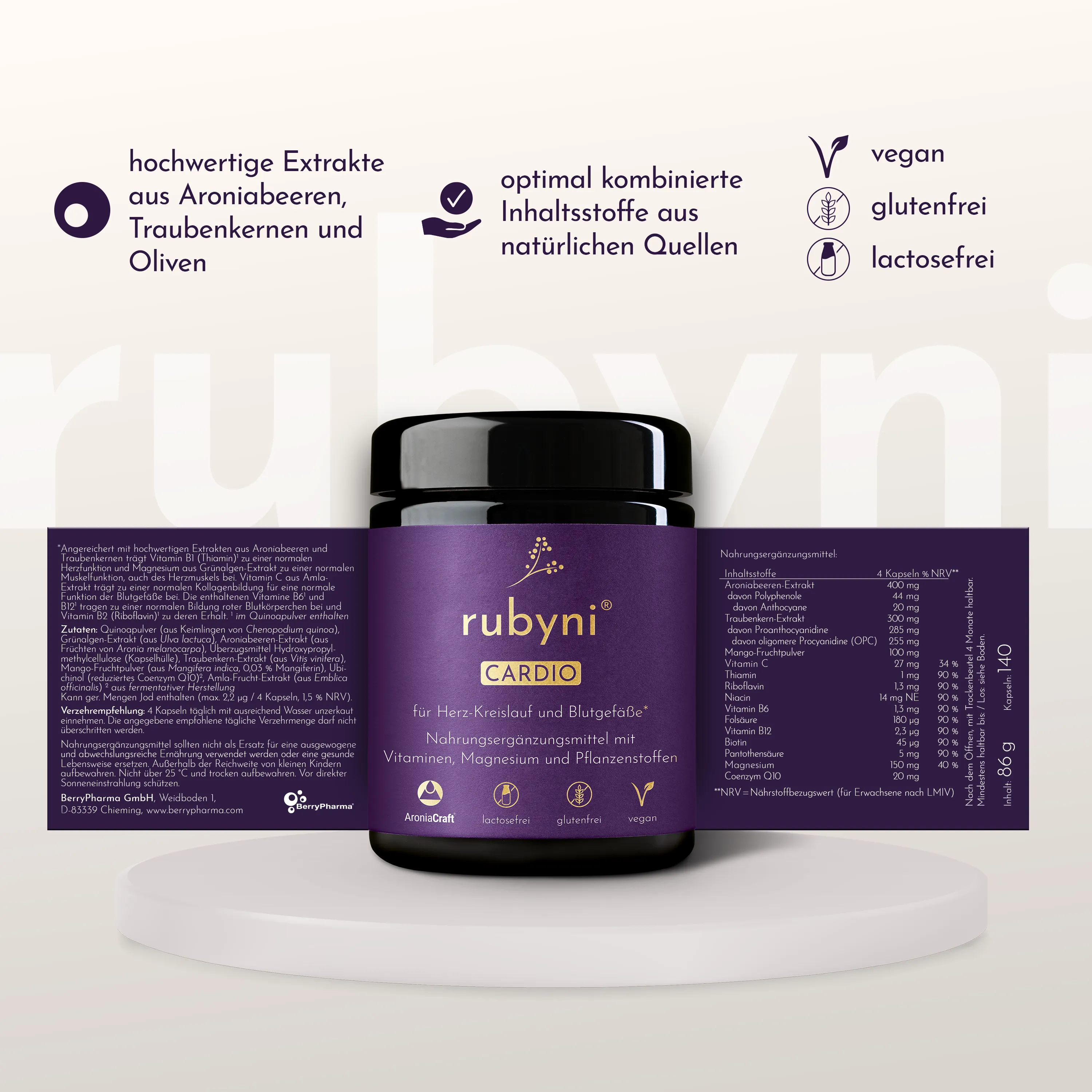
Ingredients: quinoa powder (from Chenopodium quinoa sprouts), magnesium citrate, aronia berry extract (from the fruit of Aronia melanocarpa), coating agent hydroxypropyl methylcellulose (capsule shell), grape seed and olive extract (from Vitis vinifera and Olea europea), mango fruit powder (from Mangifera indica), ubiquinol (reduced coenzyme Q10), acerola fruit powder
Recommended intake: Take four capsules daily with sufficient liquid, without chewing. Do not exceed the stated recommended daily intake.
Note: Dietary supplements should not be used as a substitute for a balanced and varied diet or a healthy lifestyle.
60 capsules €59.90
Includes VAT, plus shipping



How Your Cardiovascular System Works
Working for you around the clock
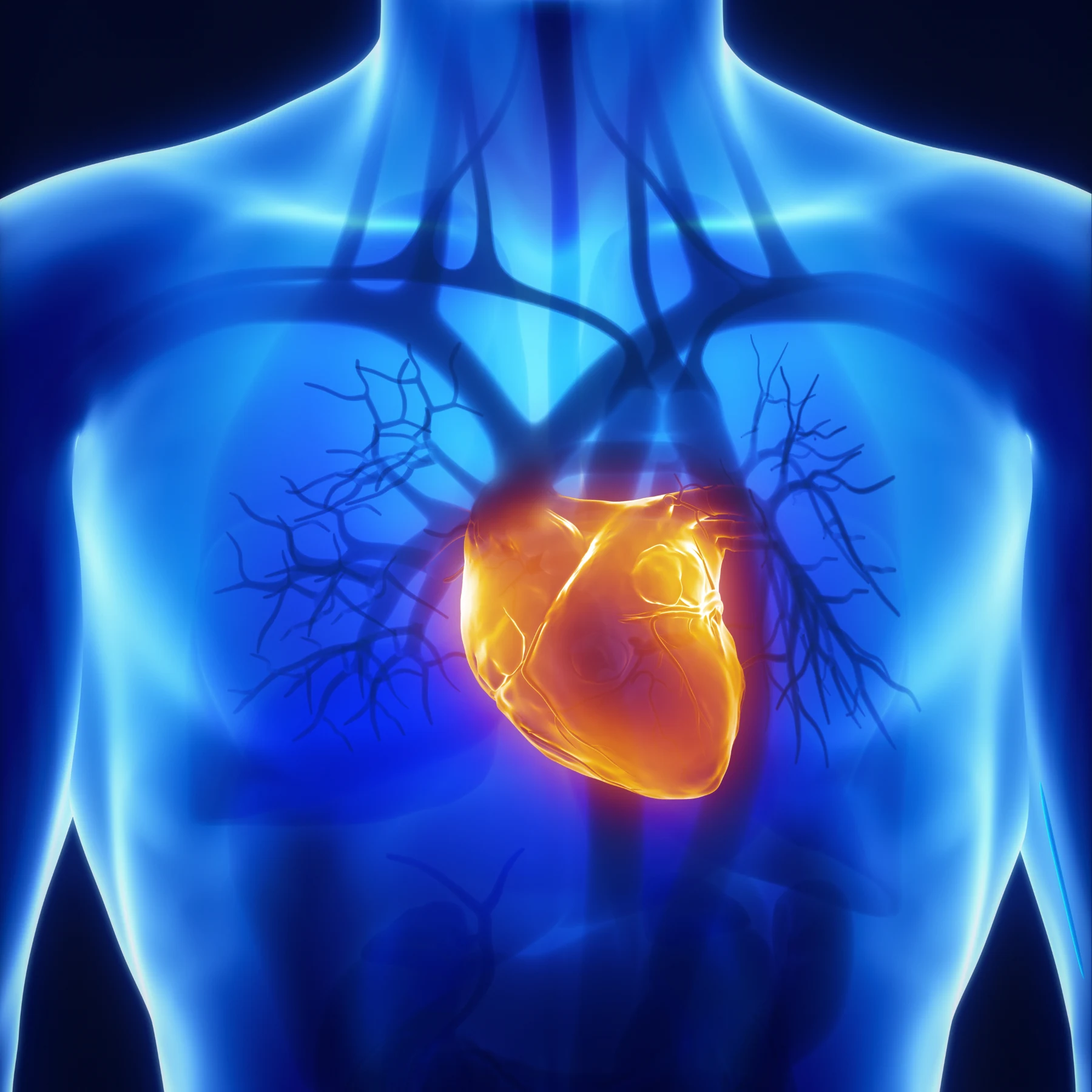
The heart is considered the engine of your body: day after day, it beats more than 100,000 times, pumping blood through the vessels . In this way, oxygen and nutrients reach the body’s cells. Together, the heart , blood, and blood vessels form the cardiovascular system. 3,4
Various factors play a role in the normal functioning of the cardiovascular system. These include individual lifestyle choices, such as regular exercise or a varied diet.5 In certain situations, dietary supplements can be a practical addition to a balanced diet.


rubyni® Cardio at a Glance
A balanced combination of high-quality ingredients
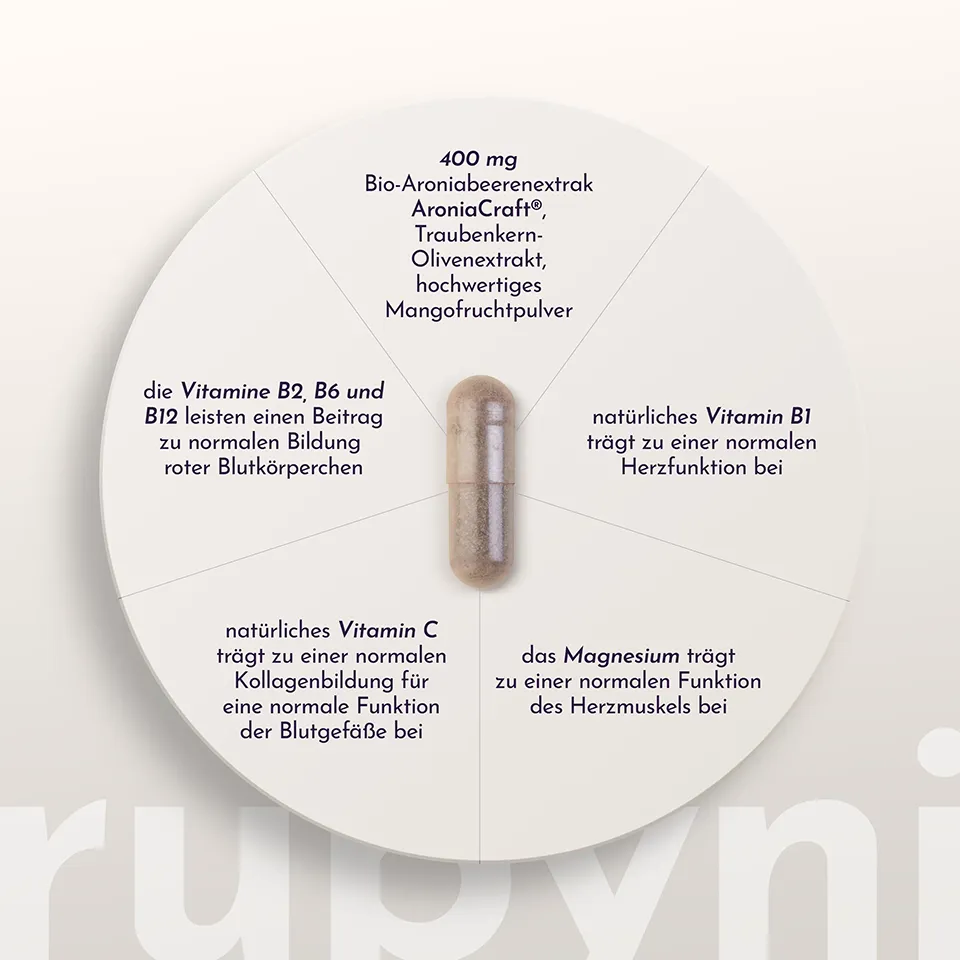
In addition to various plant extracts and powders, our rubyni Cardio contains, among other ingredients, vitamin B1, which contributes to normal heart function:1
- Quinoa powder made from Chenopodium quinoa sprouts. During the sprouting process, a range of different B vitamins develops: thiamin (vitamin B1), riboflavin (vitamin B2), niacin (vitamin B3), pantothenic acid (vitamin B5), pyridoxine (vitamin B6), biotin (vitamin B7), folic acid (vitamin B9), and cobalamin (vitamin B12).
- Magnesium citrate (tri-magnesium dicitrate) as an organic magnesium compound
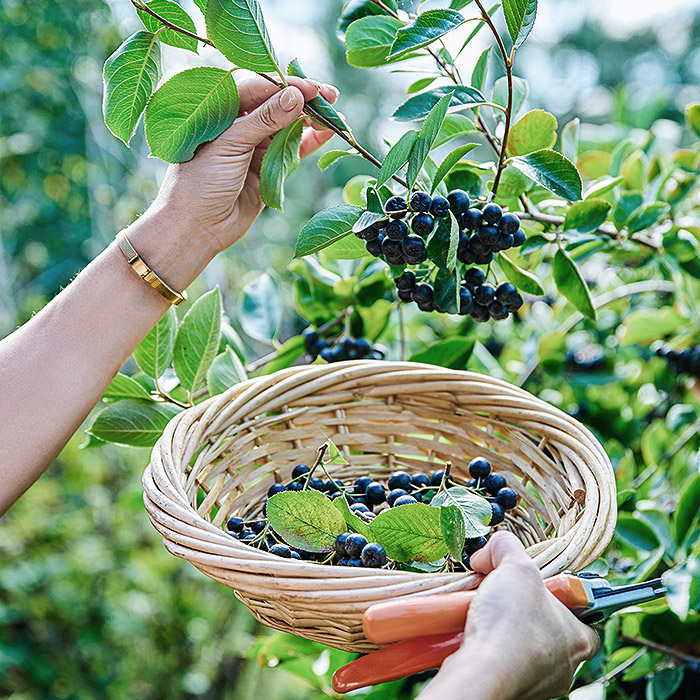
- Aronia berry extract (Aronia melanocarpa) made from berries grown in Poland—where the berries thrive in suitable climatic conditions
- The olives used in our grape seed and olive extract are grown in the Mediterranean region and are pressed in traditional oil mills immediately after harvest. The grapes come from French wine-growing regions.
- The organic mango fruit powder (from Mangifera indica) is made from the traditional Kili-mooku mango variety, which is grown in select regions of southern India.
- Ubiquinol is the reduced form of coenzyme Q10 and is produced through a natural biofermentation process using yeast.
- Only the finest fruits are gently freeze-dried to produce this organic acerola fruit powder. The acerola cherry (Malpighia glabra) from Brazil is considered one of the fruits richest in vitamin C.
rubyni® Cardio from natural sources
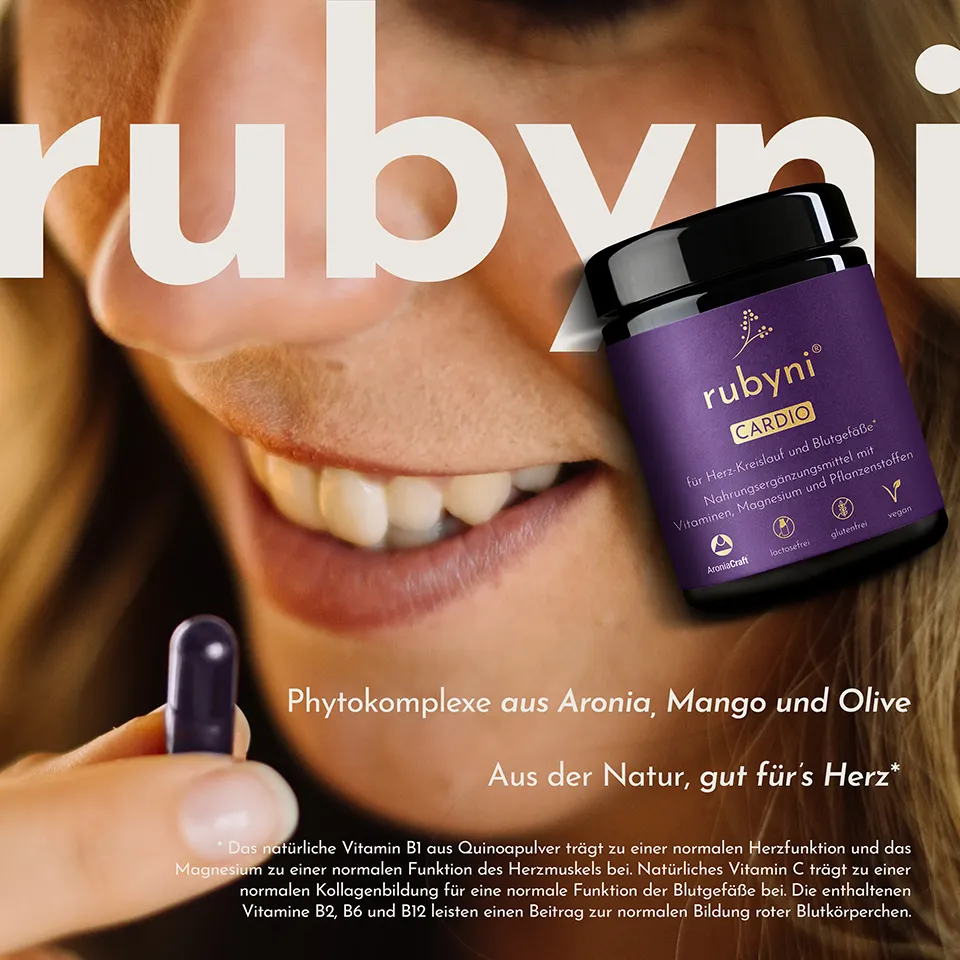
with high-quality extracts from aronia berries, grape seeds, and olives, as well as mango fruit powder
These are combined with the following micronutrients: Vitamin B1 (from quinoa powder) contributes to normal heart function, while magnesium contributes to normal muscle function. Vitamin C (from acerola fruit powder) contributes to normal collagen formation for normal blood vessel function.1
- High-quality phytochemicals from aronia berry extract: 4 capsules contain 400 mg of AroniaCraft and provide you with 44 mg of polyphenols, including 20 mg of anthocyanins
- The daily dose of rubyni Cardio contains 142 mg of polyphenols from grape seed and olive extract—including 45 mg of OPC (oligomeric proanthocyanidins)
- Four capsules contain 12 mg of vitamin C (from acerola fruit powder), 187 mg of magnesium, and various B vitamins (from quinoa powder), including 1 mg of vitamin B1 (thiamine), 1.3 mg of vitamin B2 (riboflavin), 1.3 mg of vitamin B6, and 2.3 μg of vitamin B12.
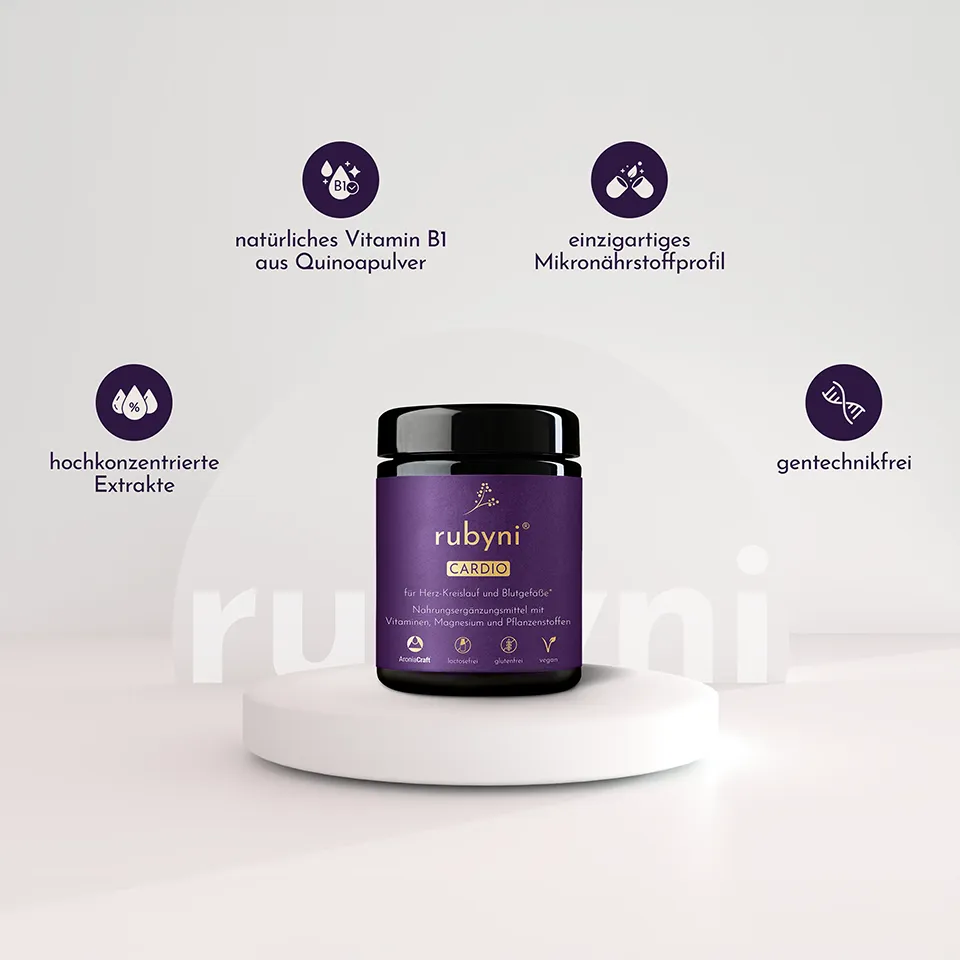
- Vegan; lactose- and gluten-free
- No added preservatives or fillers
The rubyni Cardio formula was developed exclusively by Prof. Dr. rer. nat. Michaela Döll, an expert in nutritional medicine.
rubyni® Cardio—Here's What's in Our Capsules
| Ingredients | 4 capsules | % NRV |
| Aronia berry extract |
400 mg |
– |
| – of which polyphenols |
44 mg |
– |
| – of which anthocyanins |
20 mg |
– |
| Grape Seed and Olive Extract |
150 mg |
– |
| – of which polyphenols |
142 mg |
– |
| – of which oligomeric procyanidins (OPC) |
45 mg |
– |
| Mango Fruit Powder |
100 mg |
– |
| Vitamin C |
12 mg |
15% |
| Thiamine |
1 mg |
90% |
| Riboflavin |
1.3 mg |
90% |
| Niacin |
14 mg NE |
90% |
| Vitamin B12 |
2.3 µg |
90% |
| Folic acid |
180 µg |
90% |
| Vitamin B12 |
2.3 µg |
90% |
| Biotin |
45 µg |
90% |
| Pantothenic acid |
5 mg |
90% |
| Magnesium |
187 mg |
50% |
| Coenzyme Q10 |
20 mg |
– |
Good to Know
B vitamins, vitamin C, and magnesium to support numerous bodily functions
The heart is a hollow muscle about the size of a fist that works around the clock to pump up to 10,000 liters of blood through the blood vessels every day. An adequate supply of vitamins and minerals plays a role in numerous normal bodily functions. For example, vitamin B1 (thiamine) contributes to normal heart function.
Magnesium contributes to normal muscle function. In addition, this mineral helps maintain electrolyte balance. Electrolytes are minerals that are dissolved in body fluids, such as blood, and play a role in various processes in your body.1,8,9,10
The blood vessels in the human body form an impressive network: Did you know that, when added together, they stretch for many thousands of kilometers? Collagen plays an important role in their structure: This special protein is a component of various body tissues. These include, among others, blood vessels, skin, cartilage, and bones. Vitamin C contributes to normal collagen formation for the normal function of blood vessels.1,11,12
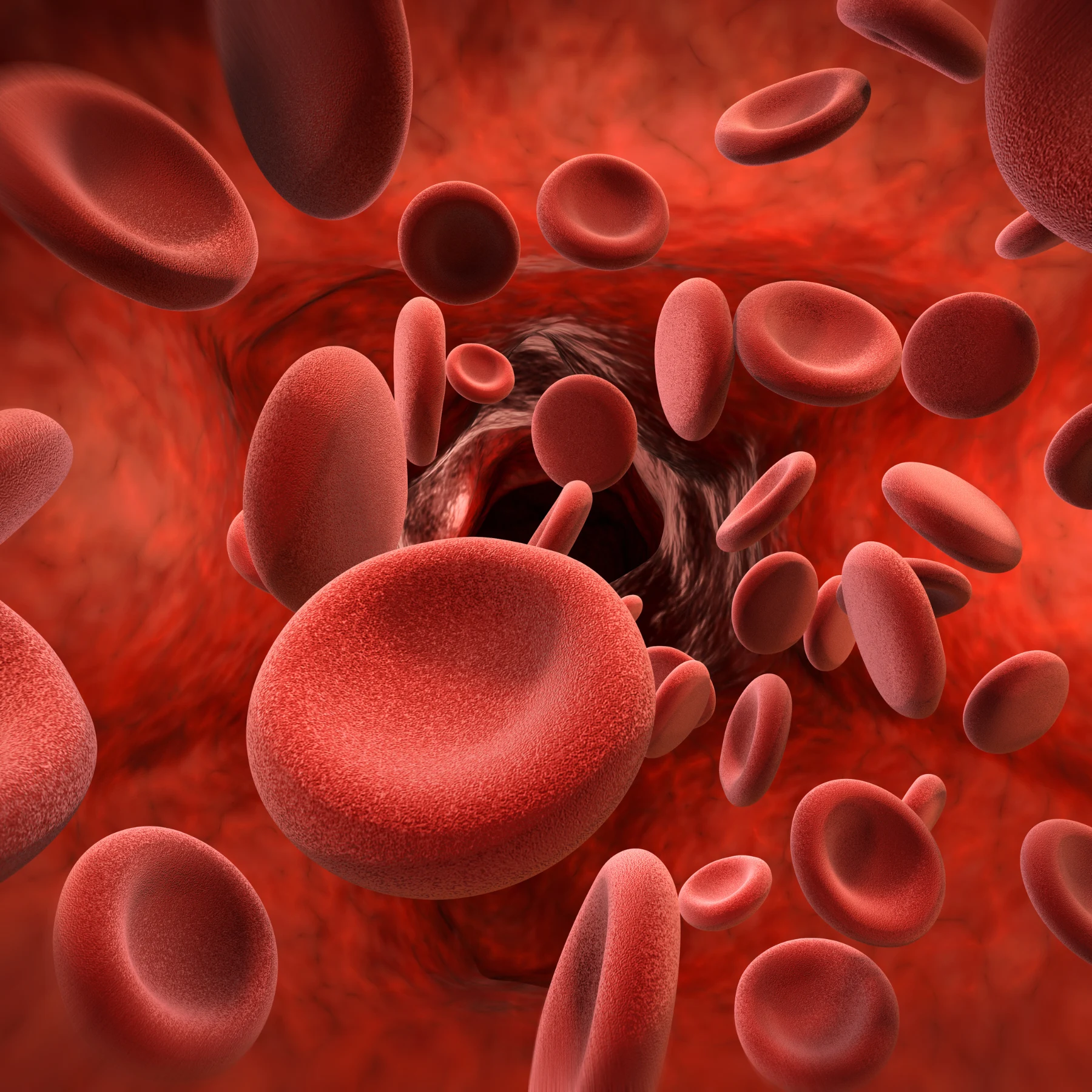
What is the function of red blood cells?
Red blood cells—essential for oxygen transport
The blood pumped by the heart throughout the body consists of a liquid component (plasma) and various types of blood cells. Red blood cells make up the largest group: These so-called erythrocytes are produced in the bone marrow and are responsible, among other things, for transporting oxygen to the body’s cells. Vitamins B6 and B12 contribute to normal red blood cell formation. Vitamin B2, in turn, contributes to the maintenance of normal red blood cells. Folic acid contributes to normal blood formation.1,13
What Science Says
Studies⁶ in this context examine, among other things, the effects of thiamine intake on the cardiovascular system. Researchers have observed that thiamine plays an essential role in energy metabolism and that a thiamine deficiency can be associated with cardiac dysfunction. The health claim “Thiamine (vitamin B1) contributes to normal heart function” underscores the importance of an adequate intake for normal heart function. Supplementation does not have a performance-enhancing effect in healthy individuals.7
Forrubyni® Cardio, we use only the finest brand-name ingredients:

AroniaCraft® is a high-quality dry extract from aronia berries, which is produced using a special and patented form of ultrafiltration – without solvents or additives. The special feature: This process completely preserves the entire fruit matrix of the berries, i.e. the natural composition and ratio of valuable secondary plant substances. The berries used come from the EU.

Careflow® is a 100 percent pure mango fruit powder produced in Germany. It is derived from the “Kili-mooku” variety, which is primarily found in southern India. This type of mango is an excellent source of a wide range of valuable nutrients.Careflow® itself has now been the subject of numerous studies related to blood circulation and normal heart function.Careflow® is a trademark of Vital Solutions GmbH.

OleoGrape® SEED is a special grape seed and olive extract that uses a patented process to provide a standardized composition of polyphenols, hydroxytyrosol and antioxidants. OleoGrape ® SEED is a brand of the GRAP’SUD Group and is produced in the South of France.
Kaneka Ubiquinol™ P30 is a high-quality branded raw material containing the active form of coenzyme Q10. Ubiquinol is derived 100% from organic yeast fermentation and is therefore a natural product. The microencapsulated powder form was developed to ensure high stability and versatility in applications.
What role do the micronutrients in rubyni® Cardio play in the body?
Thiamine (vitamin B1)
- contributes to normal heart function
- contributes to normal energy metabolism
- contributes to the normal functioning of the nervous system
- contributes to normal mental function
Riboflavin (Vitamin B2)
- Helps maintain normal red blood cell levels
- contributes to normal energy metabolism
- helps reduce tiredness and fatigue
- contributes to the normal functioning of the nervous system
- contributes to the maintenance of normal mucous membranes
- contributes to the maintenance of normal skin
- contributes to the maintenance of normal vision
- contributes to normal iron metabolism
- helps protect cells from oxidative stress
Vitamin B6 (pyridoxine)
- contributes to the normal formation of red blood cells
- contributes to normal cysteine synthesis
- contributes to normal energy metabolism
- contributes to the reduction of tiredness and fatigue
- contributes to the normal functioning of the nervous system
- contributes to the normal function of the immune system
- contributes to normal homocysteine metabolism
- contributes to normal protein and glycogen metabolism
- contributes to normal psychological function
- contributes to the regulation of hormonal activity
Vitamin B12 (cobalamin)
- contributes to the normal formation of red blood cells
- plays a role in cell division
- contributes to normal energy metabolism
- contributes to the reduction of tiredness and fatigue
- contributes to the normal functioning of the nervous system
- contributes to normal mental function
- contributes to normal homocysteine metabolism
- contributes to the normal functioning of the immune system
Vitamin C
- contributes to normal collagen formation (for the normal function of blood vessels, bones, cartilage, gums, skin, and teeth)
- contributes to normal energy metabolism
- contributes to the normal function of the nervous system
- contributes to normal mental function
- contributes to the normal function of the immune system
- helps protect cells from oxidative stress
- contributes to the reduction of tiredness and fatigue
- contributes to the regeneration of the reduced form of vitamin E
- increases iron absorption
Magnesium
- contributes to normal muscle function
- contributes to electrolyte balance
- helps reduce tiredness and fatigue
- contributes to normal energy metabolism
- contributes to the normal functioning of the nervous system
- contributes to normal protein synthesis
- contributes to normal psychological function
- contributes to the maintenance of normal bones
- contributes to the maintenance of normal teeth
- plays a role in cell division
What makes rubyni Cardio so special?
rubyni Cardio combines various extracts and fruit powders. These include aronia berry extract, which contains polyphenols and anthocyanins, as well as grape seed and olive extract, which provides, among other things, the polyphenol OPC (oligomeric proanthocyanidins). The formula of these vegan capsules is supplemented with mango fruit powder, derived from the traditional Kili-mooku mango variety, as well as acerola fruit powder. In addition, rubyni Cardio contains a form of coenzyme Q10 derived from organic yeast fermentation.
What micronutrients for the heart, blood vessels, and blood are contained in rubyni Cardio?
The quinoa powder contained in rubyni Cardio provides various B vitamins. Vitamin B1, for example, contributes to normal heart function, while vitamins B6 and B12 contribute to normal red blood cell formation. In addition, the capsules contain magnesium, which supports normal muscle function. Acerola fruit powder provides vitamin C, which contributes to normal collagen formation for normal blood vessel function. Folic acid contributes to normal blood formation.1
What is Q10, or ubiquinol?
Ubiquinol is a form of coenzyme Q10 that occurs naturally in nearly all cells of the body. Coenzyme Q10 is a component of the respiratory chain in the mitochondria, the cell’s powerhouses. High concentrations are found particularly in energy-intensive tissues such as the heart, liver, and muscles. It is produced by the body itself and also obtained through diet. Sources of Q10 include, for example, meat, fish, nuts, and certain oils.2
How much Rubyni Cardio should I take each day?
The recommended daily intake is 4 capsules, taken whole with a meal and plenty of water. To ensure that the fat-soluble ubiquinol is optimally absorbed by your body, the meal should contain healthy fats. Do not exceed the recommended daily intake of rubyni Cardio. One daily dose provides 44 mg of polyphenols from aronia berry extract and 142 mg of polyphenols from grape seed and olive extract. It also contains vitamin C (15% NRV) and magnesium (50% NRV). The formula is supplemented with eight B vitamins from quinoa powder, each providing 90% NRV.
Is rubyni Cardio vegan and iodine-free?
Yes, rubyni Cardio capsules are made from 100% vegan ingredients and are also lactose-free and gluten-free. The capsule shell is made from plant-based hydroxypropyl methylcellulose. The rubyni Cardio formula also contains no added preservatives or fillers.
References:
1 Commission Regulation (EU) No. 432/2012 of May 16, 2012, establishing a list of permitted health claims made on foods, other than those referring to the reduction of disease risk and to children’s development and health. As of August 20, 2025. https://eur-lex.europa.eu/legal-content/DE/TXT/?uri=CELEX%3A02012R0432-20250820, last accessed on August 21, 2026
2 German Federal Institute for Risk Assessment. Coenzyme Q10: What Is Known About Health Risks—and What Isn’t? As of November 10, 2023. https://www.bfr.bund.de/fragen-und-antworten/thema/coenzym-q10-was-ist-ueber-gesundheitliche-risiken-bekannt-und-was-nicht/, last accessed August 27, 2026
3 German Heart Foundation. The Center of the Body: The Heart. https://herzstiftung.de/ihre-herzgesundheit/das-herz, last accessed on August 21, 2026
4 DocCheck Flexikon. Cardiovascular System. Updated August 11, 2025. https://flexikon.doccheck.com/de/Kardiovaskul%C3%A4res_System, last accessed August 21, 2026
5 German Center for Cardiovascular Research. Prevention of Cardiovascular Diseases. https://dzhk.de/erkrankungen/praevention, last accessed on August 21, 2026
6 DiNicolantonio JJ et al. Thiamine and Cardiovascular Disease: A Literature Review. Prog Cardiovasc Dis. May–Jun 2018; 61 (1): 27–32. https://www.sciencedirect.com/science/article/abs/pii/S003306201830029X
7 EFSA Panel on Dietetic Products, Nutrition, and Allergies. Scientific Opinion on the substantiation of health claims related to thiamine and cardiac function. EFSA Journal 2009; 7(9):1222. https://efsa.onlinelibrary.wiley.com/doi/pdf/10.2903/j.efsa.2009.1222
8 Springer Nursing. Cardiology—The Study of the Heart. Written by Heidelore Günther. As of January 20, 2026. https://www.springerpflege.de/kardiologie/herzinsuffizienz/kardiologie-die-lehre-vom-herzen/17033948, last accessed on August 21, 2026
9 Professional Association of German Internists. Structure and Function of the Circulatory System. https://www.internisten-im-netz.de/fachgebiete/herz-kreislauf/aufbau-funktion-des-blutkreislaufs/herz-blutgefaesse.html, last accessed on August 21, 2026
10 AOK. Electrolytes. https://www.deine-gesundheitswelt.de/balance-ernaehrung/elektrolyte, last accessed on August 21, 2026
11 German Society for Phlebology and Lymphology (DGPL). At a Glance: Blood Circulation and the Venous System. https://www.phlebology.de/patienten/wissen/, last accessed on August 21, 2026
12 DochCheck Flexikon. Collagen. As of April 22, 2026. https://flexikon.doccheck.com/de/Kollagen, last accessed on August 21, 2026
13 German Red Cross. Blood Components and Their Functions. As of August 8, 2023. https://www.blutspende.de/magazin/von-a-bis-0/die-blutbestandteile-und-ihre-funktionen, last accessed on August 21, 2026